
PRODUCTS
‹
›
‹
›
CAS No.: 1415-93-6
Molecular Weight:227.169998168945
Introduction: Used as a filtrate reducer with resistance to high temperature for fresh water drilling fluid with the effect of reducing viscosity. But the salt resistance is poor.Used as fertilizer and soil acid regulating agentThe raw material for the production of humic acid compound fertilizer, the raw material for the production of drilling additive and pesticides.Biochemical researchPlant growth stimulating hormone. Humic acid macromolecule is connected with carboxyl, hydroxyl, carbonyl, benzoquinonyl, methoxy and other functional groups. Exchange with metal ions, adsorption, complexation, chelation and so on. In a dispersive system, as the polyelectrolytes, it has the effects on condensation, peptisation and dispersion, etc.
PRODUCT DESCRIPTION
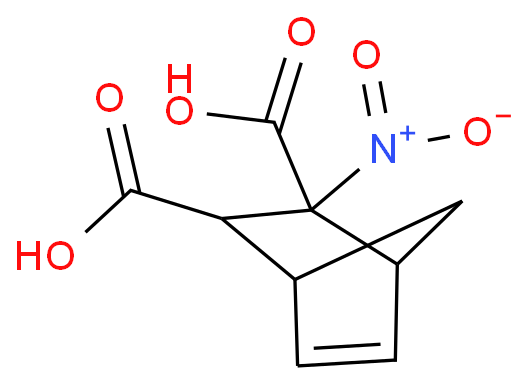
- 1.1 Name
- Humic acid
- 1.2 Synonyms
abcolwalnutcrystals agro-lig EINECS 215-809-6 Elliott Soil Humic Acid enersol Florida Peat Humic Acid humic humicacids humification Hydridopotassium Leonardite Humic Acid MFCD00147177 NITROHUMIC ACID Nordic Aquatic Humic Acid Potassium hydride Suwannee River Humic Acid Waskish Peat Humic Acid
1.3 CAS No.
- 1415-93-6
- 1.4 CID
- 90472028
- 1.5 EINECS(EC#)
- 215-809-6
- 1.6 Molecular Formula
- C9H9NO6 (isomer)
- 1.7 Inchi
- InChI=1S/C9H9NO6/c11-7(12)6-4-1-2-5(3-4)9(6,8(13)14)10(15)16/h1-2,4-6H,3H2,(H,11,12)(H,13,14)
- 1.8 InChkey
- QJZYHAIUNVAGQP-UHFFFAOYSA-N
- 1.9 Canonical Smiles
- C1C2C=CC1C(C2C(=O)O)(C(=O)O)[N+](=O)[O-]
- 1.10 Isomers Smiles
C1C2C=CC1C(C2C(=O)O)(C(=O)O)[N+](=O)[O-]

2. Chemical & Physical Properties
3. Use and Manufacturing
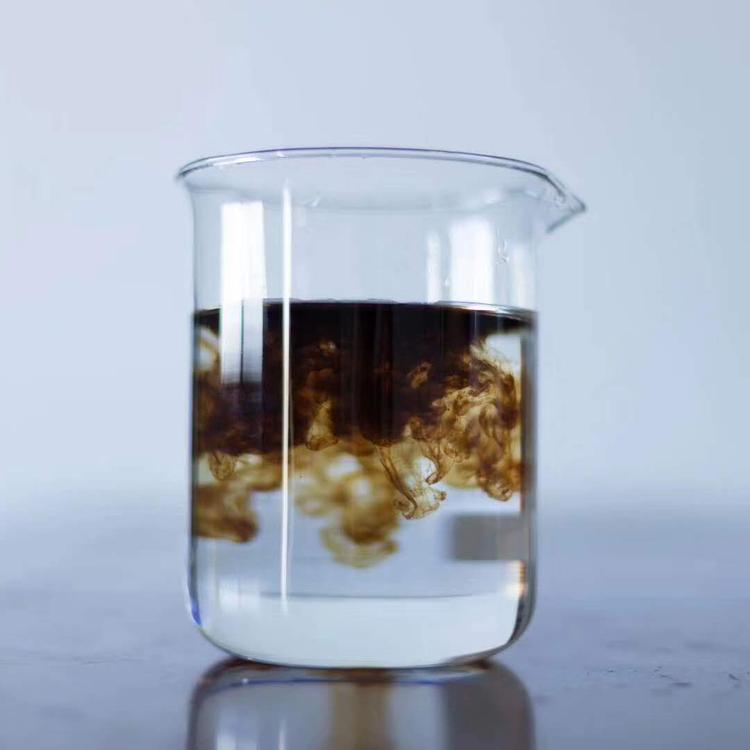
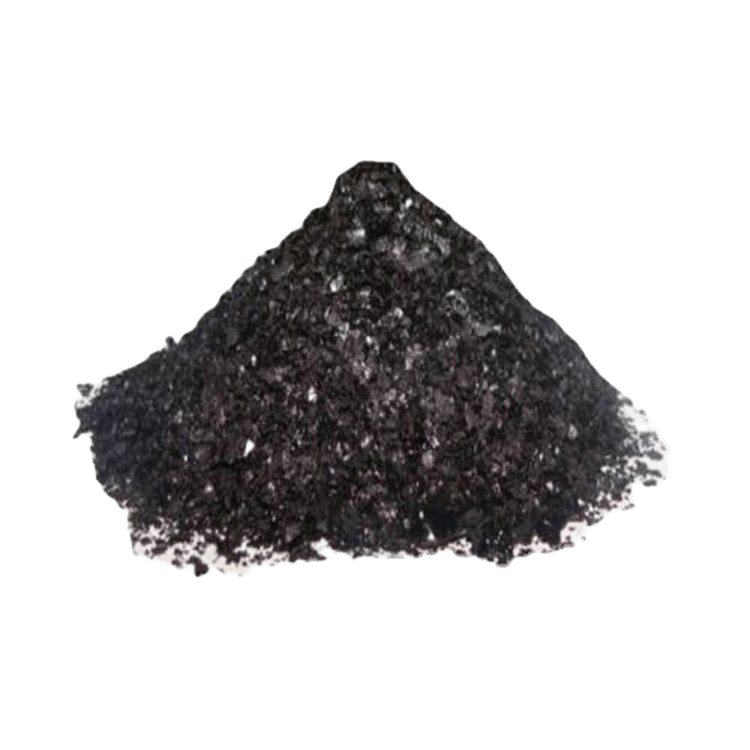
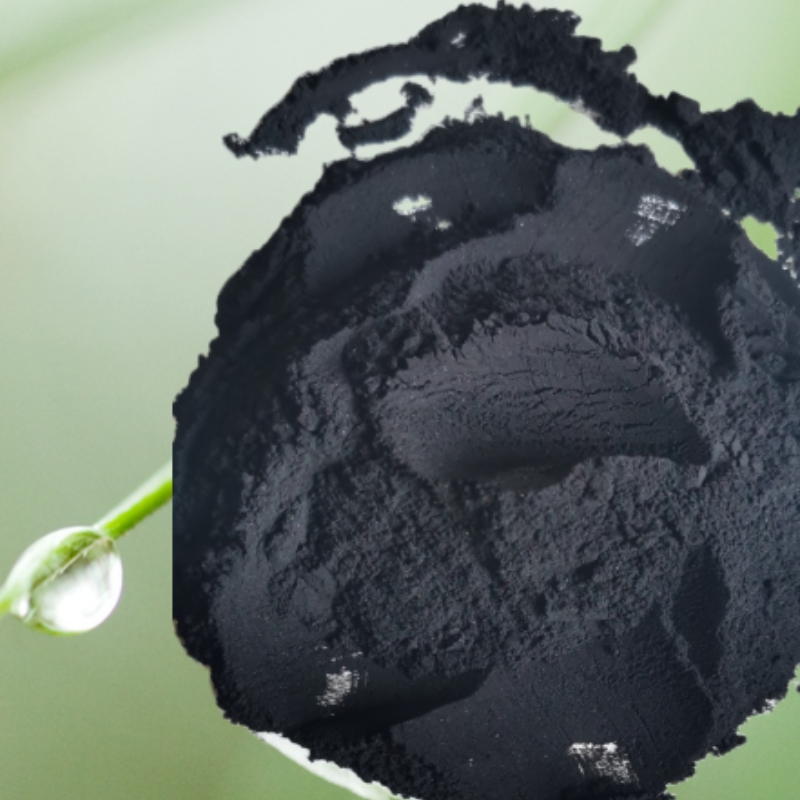
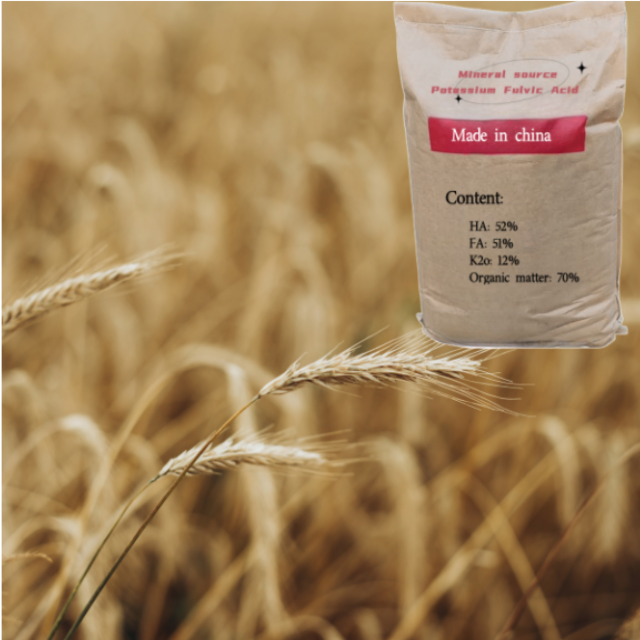
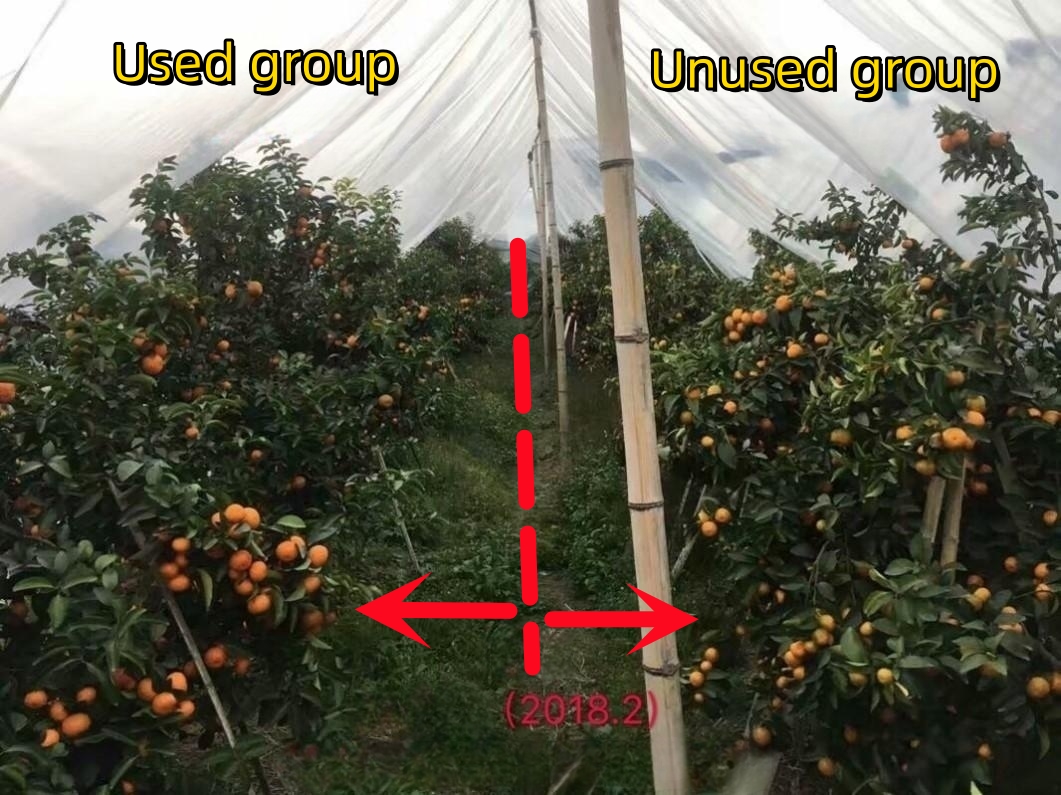
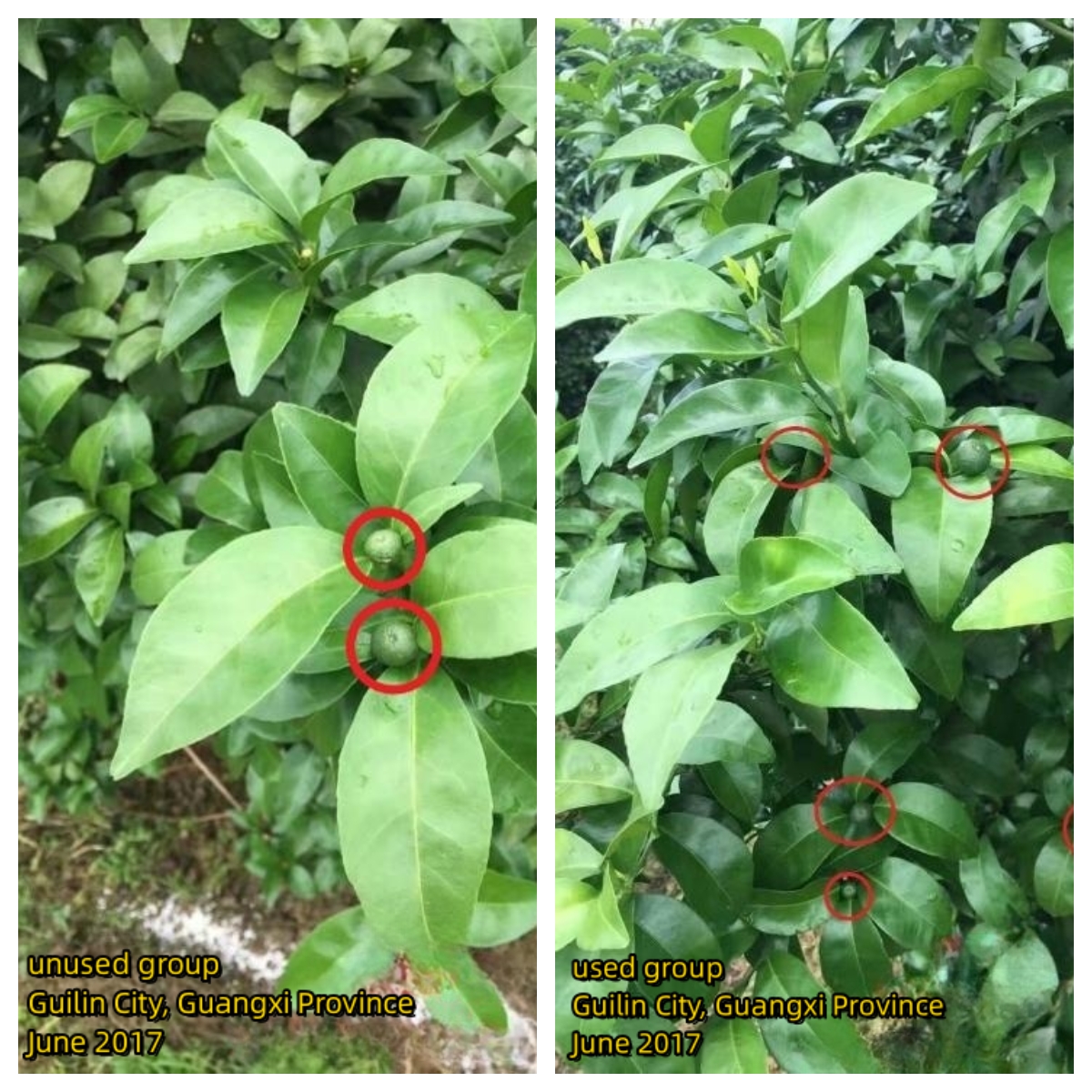
3.1 Agricultural UsesHumic acid is a partially decomposed aromatic, organic matter that originates from terrestrial vegetation. It is made up of dark colored amorphous materials and is the end-product of the action of bacteria and certain enzymes. Most of the humic acid has a large fraction of carboxylic functional group which enables the humic acid molecule to chelate with positively charged multivalent ions (Mg++, Fe++ etc). The action of chelation helps plants to absorb the nutrients effectively. This function is one of the most important roles of humic acid. Humic acid also contains the phenolic functional group.;Humic acids are derived from peptide, lipid and carbohydrate precursors. Peat, lignite coal, leonardite,decomposing driftwood and fish excreta are rich in humic acids. Leonardite is a highly oxidized form of organic matter and is technically known as a low rank coal which is between peat and sub-bituminous coal. Most of the humic acid found in rivers, lakes and even oceans has flowed from land over long periods of time. In the aquatic media, humic acid molecules develop unique characteristics.Humic acid can be broken down into two groups, based on the size and polarity of the individual components. The smaller, more polar fraction is called fulvic acid and the larger, non-polar fraction is the humic acid. The acids are soluble in sodium hydroxide.Humic acids are soluble in alkaline solutions. But on acidification of the alkaline extracts, they precipitate (Fulvic acid, on the other hand, remains soluble on acidification of the extract). Their molecular weight is in the range of tens of thousands to a million. They are believed to be polymerization products of fulvic acids and their decay products.The three main components of humus are humin, humic acid and fulvic acid.
3.2 Definition- A brown, polymeric constituent of soils, lignite, and peat; it contains the brownishblack pigment melanin. It is soluble in bases, but insoluble in mineral acids and alcohols. It is not a well-defined compound but a mixture of polymers containing aromatic
3.3 Usage

- Used as a filtrate reducer with resistance to high temperature for fresh water drilling fluid with the effect of reducing viscosity. But the salt resistance is poor.Used as fertilizer and soil acid regulating agentThe raw material for the production of humic acid compound fertilizer, the raw material for the production of drilling additive and pesticides.Biochemical researchPlant growth stimulating hormone. Humic acid macromolecule is connected with carboxyl, hydroxyl, carbonyl, benzoquinonyl, methoxy and other functional groups. Exchange with metal ions, adsorption, complexation, chelation and so on. In a dispersive system, as the polyelectrolytes, it has the effects on condensation, peptisation and dispersion, etc.

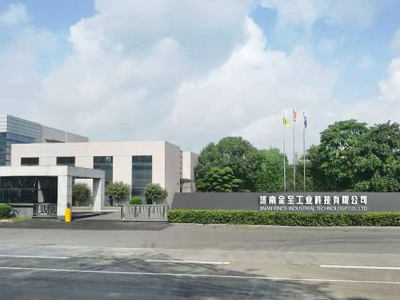
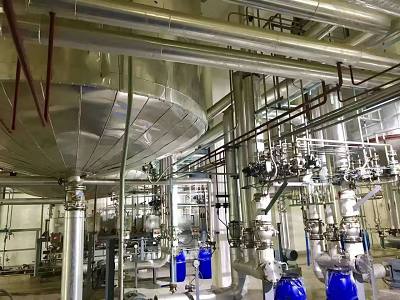
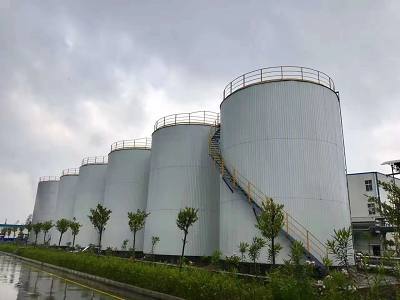
COMPANY PROFILE
Jinan KINDS Industrial Technology Co., Ltd. is engaged in the field of organic biology and focuses
on the research and development, production and sales of organic biological products.
Its products are oriented to pharmaceutical excipients and agricultural organic science.
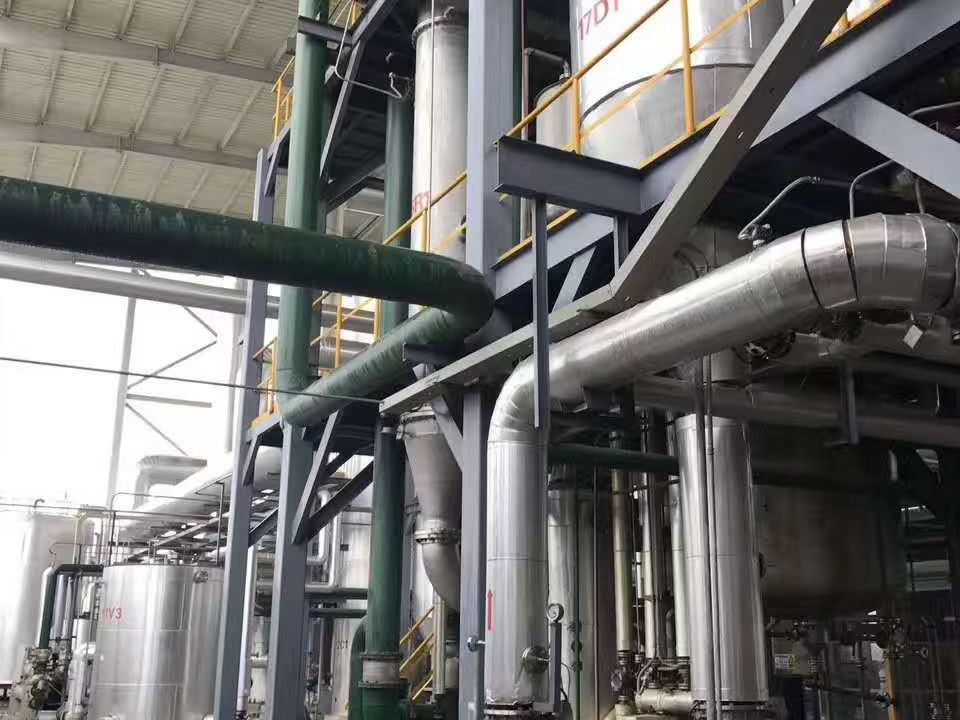
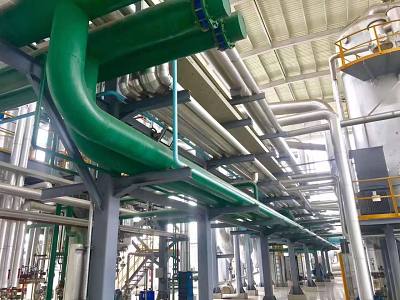
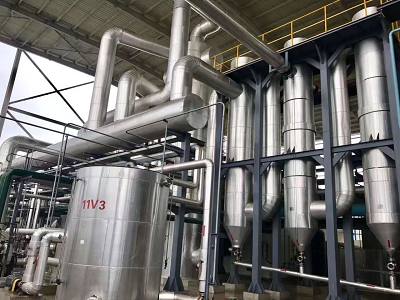
The company has a variety of production lines and other advanced production and testing equipment and
high-quality technical personnel, mature technology, quality control technology and design and R&D groups,
and ensures the excellence and stability of its products through the ISO9001 product quality system.
MESSAGE
PRODUCTS RECOMMENDED

Chat Online