
PRODUCTS
‹
›
‹
›
PRODUCT DESCRIPTION
The growth of crops cannot be separated from nutrients. Carbon, hydrogen, oxygen, nitrogen, phosphorus, potassium; calcium, magnesium, sulfur; iron, manganese, zinc, copper, molybdenum, boron, and chlorine are indispensable for the growth and development of crops16 Of these nutrients, the first six are consumed in large quantities and are called macroelements; the middle ones, calcium, magnesium and sulfur, are the second most abundant and are called medium elements; the latter ones are taken in relatively small amounts and are called trace elements. Although different crops require different proportions of elements, the lack of one of them will lead to abnormal crop development.
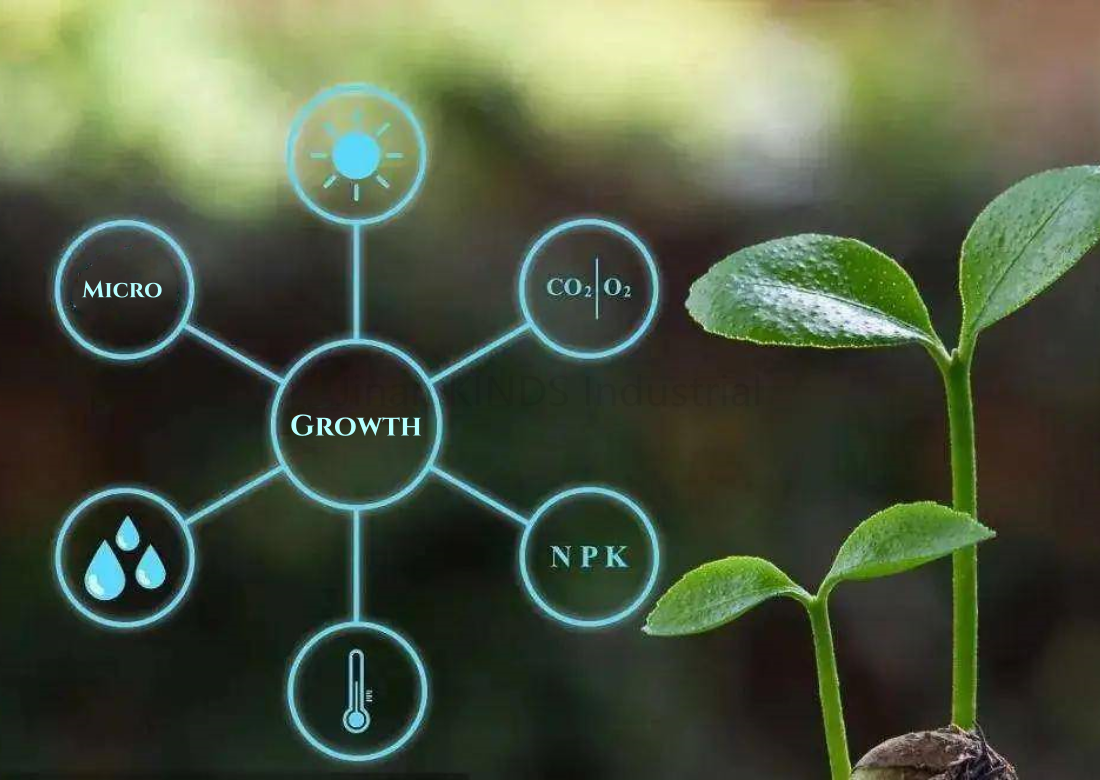
Scientific planting should not only use science, technology and data analysis to improve the yield and quality of crops, but also influence and change the concept of farmers who only value the supplementation of macronutrients and despise the supplementation of trace elements.
The following introduces the use of iron elements.
Iron is an indispensable element for plants to produce chlorophyll. Iron deficiency can cause plant leaves to become chlorotic. The role of chlorophyll in plant photosynthesis is to absorb visible light. Iron-deficient leaf chlorosis leads to reduced plant photosynthesis efficiency, resulting in abnormal crop growth and development.
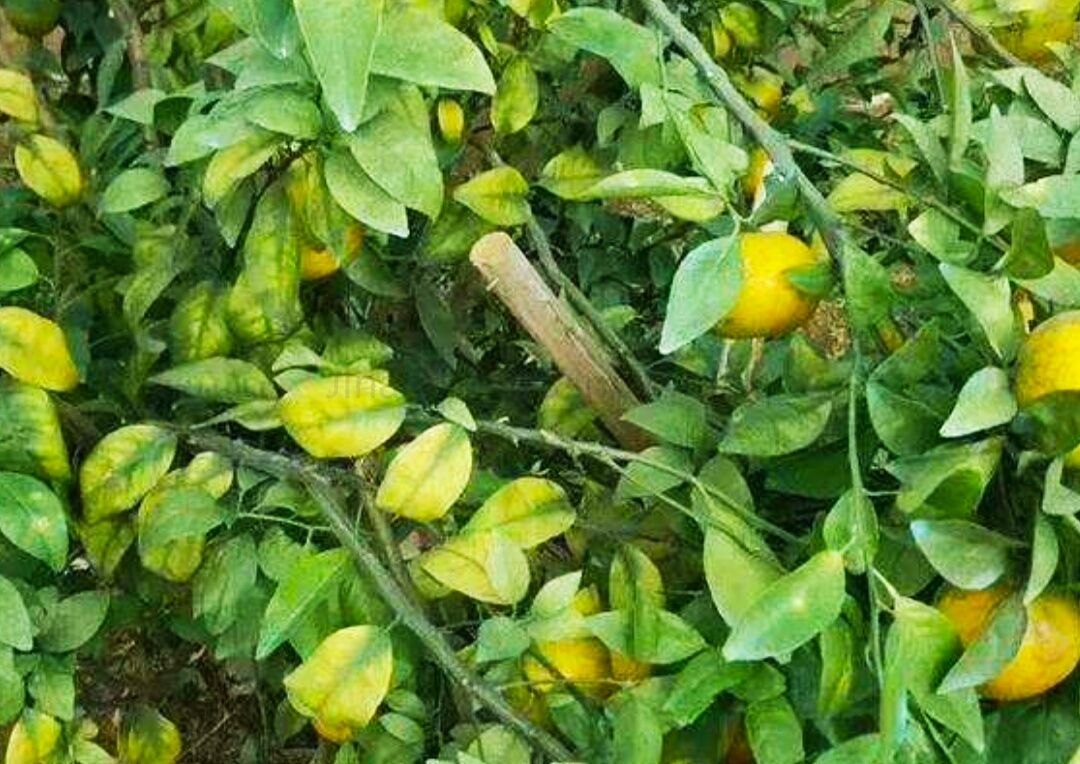
Which soils are prone to iron deficiency?
Generally speaking, light soil is more likely to be deficient in iron than heavy soil; alkaline soil has a higher pH value and lower solubility of iron, so it is deficient in iron than acidic soil; calcium carbonate in calcareous soil has difficulty combining with iron. Dissolved compounds affect the absorption of iron and are the cause of iron deficiency; acidic soil has low organic matter content, and excessive use of phosphorus, manganese, and zinc will interfere with the absorption of iron, causing iron deficiency in plants.
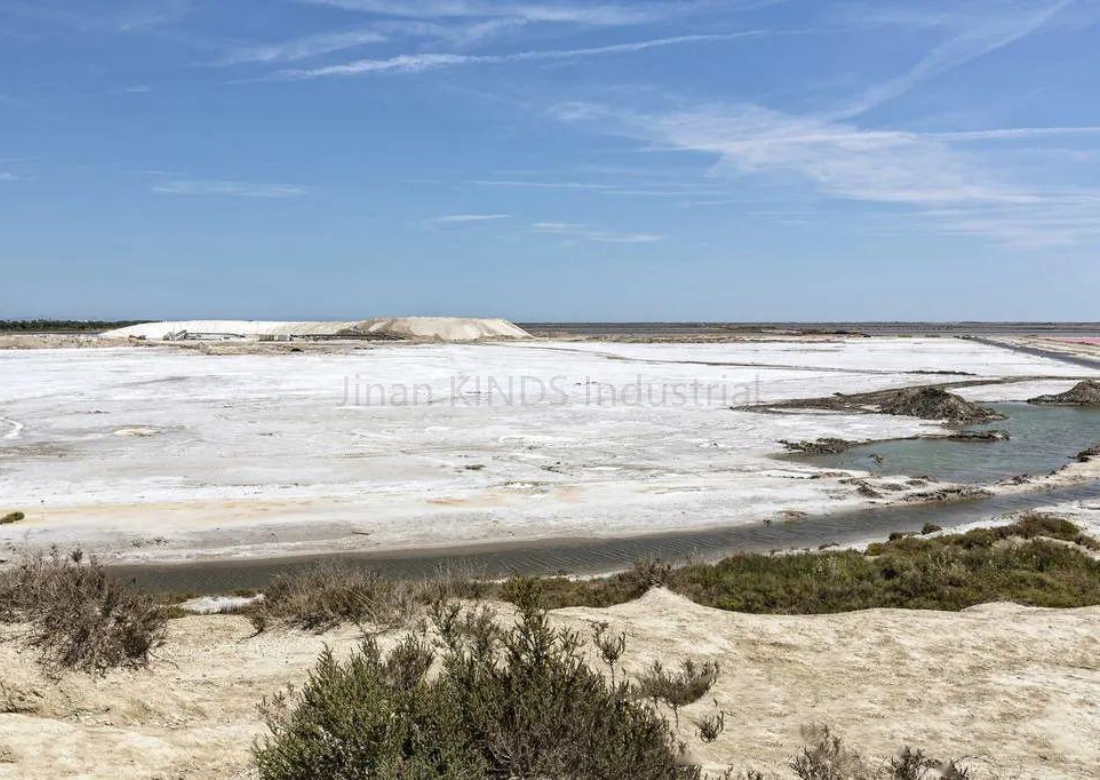
Which crops are prone to iron deficiency?
For orchard fruit trees, older, weaker trees, larger fruit trees, and long-term low temperatures in spring can easily induce iron deficiency in fruit trees.
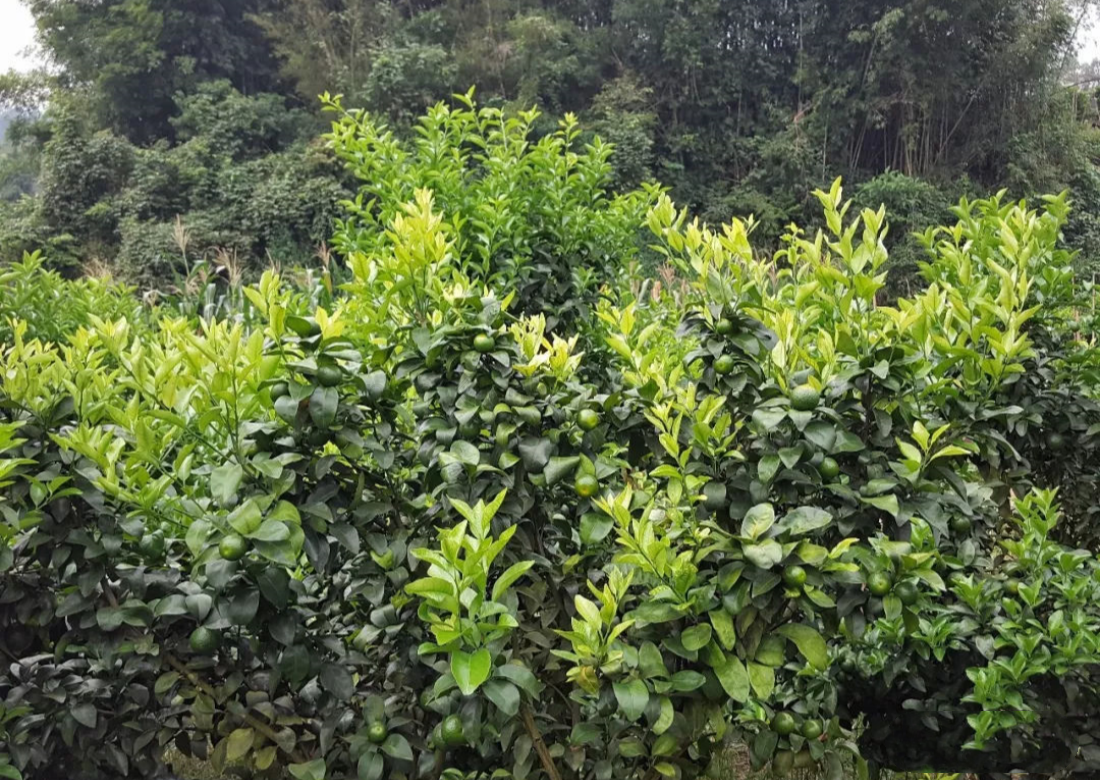
In terms of crop types, crops such as apples, cherries, walnuts, citrus, pears, peaches, peanuts, soybeans, corn, sugar beets, potatoes, spinach, and cucumbers are sensitive to iron and prone to iron deficiency symptoms.
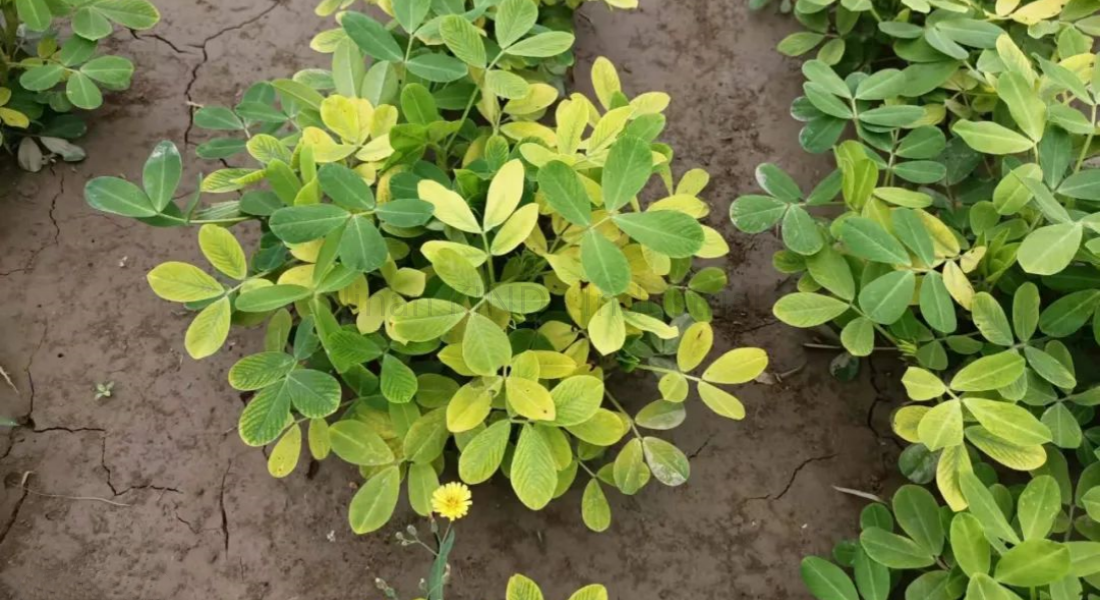
Iron fertilizer types
Fertilizers that supplement iron include flush fertilizers and foliar fertilizers. They can also be divided into inorganic fertilizers and organic fertilizers according to their properties.
Ferrous sulfate
Ferrous sulfate is the most common and widely used inorganic iron fertilizer. Its main components are soluble iron salts and some poorly water-soluble iron compounds. It can be used as a base fertilizer or seed fertilizer before sowing or planting crops, or as a seed fertilizer. It can be used as top dressing and foliar fertilizer spraying during the growth period of crops, and the price of ferrous sulfate is relatively low. However, it should be noted that ferrous sulfate is not suitable for use in highly alkaline soil. The iron in fertilizers easily reacts and precipitates into insoluble iron compounds, which cannot be absorbed by crops. At the same time, ferrous sulfate is used in leaf making. When spraying surface fertilizer, be careful not to mix it with other fertilizers at will, otherwise it will easily cause crop poisoning and leaf burning. Under normal circumstances, the application amount of ferrous sulfate soil is generally about 3-5 kg per mu, the spray concentration is about 0.3-0.5%, and the safe interval of use is 7-10 days.
E D T A-Fe
E D T A-Fe The chemical name of iron: sodium iron ethylenediaminetetraacetate, is a chemically synthesized iron fertilizer. Suitable for acidic and neutral soil, not suitable for alkaline soil; EDTA-Fe, as a chelating agent, will reduce the number and diversity of soil microorganisms and cause damage to the soil ecosystem. It can combine with metal ions in the soil, thereby affecting the growth and metabolism of microorganisms in the soil, leading to an imbalance in the soil ecosystem.
Dosage: use 750~1500 grams per hectare, dilute 1000~2000 times
E D D H A-Fe
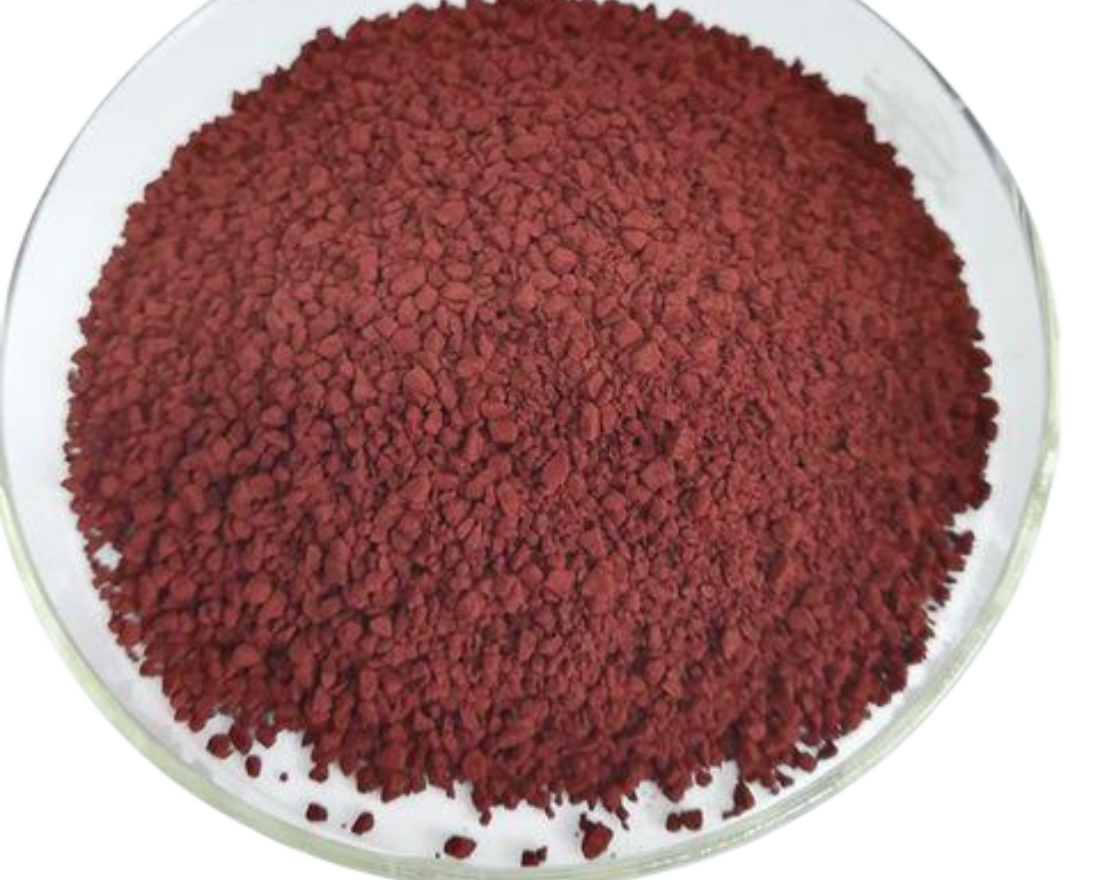
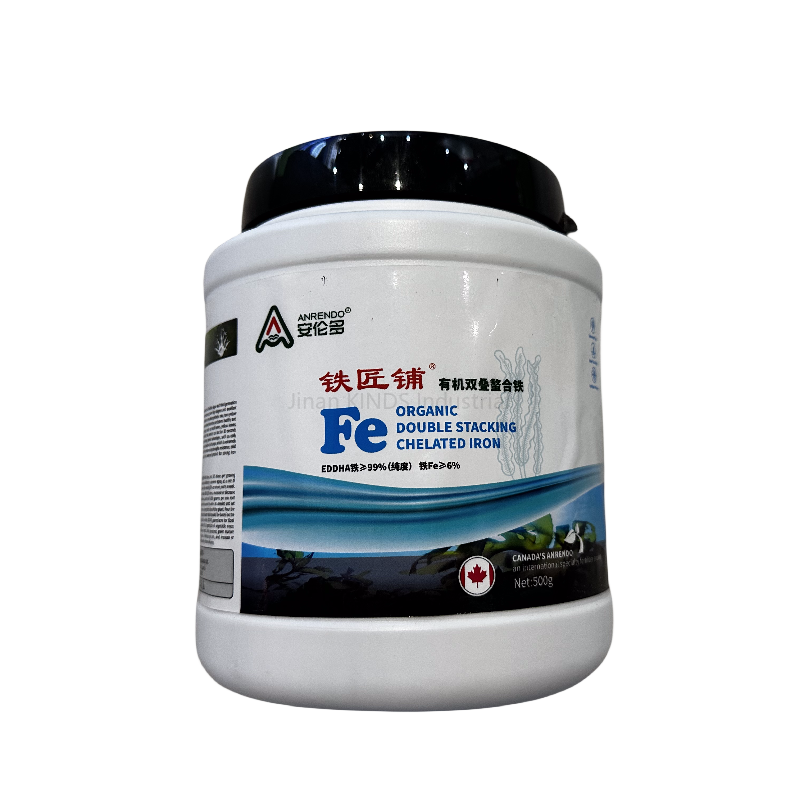
The chemical name of EDDHA-Fe: iron ethylenediamine o-diglycolic acid, with an iron content of 6%, so it is commonly called Fe 6. EDDHA-Fe can be well absorbed by plants within the soil pH range of 3-12, and the effect is significantly better than EDTA-Fe. Both flushing and drip irrigation will also destroy microorganisms in the soil.
Dosage: 1000-1500 grams per hectare, diluted 1000-3000 times with water
Fulvic-Fe
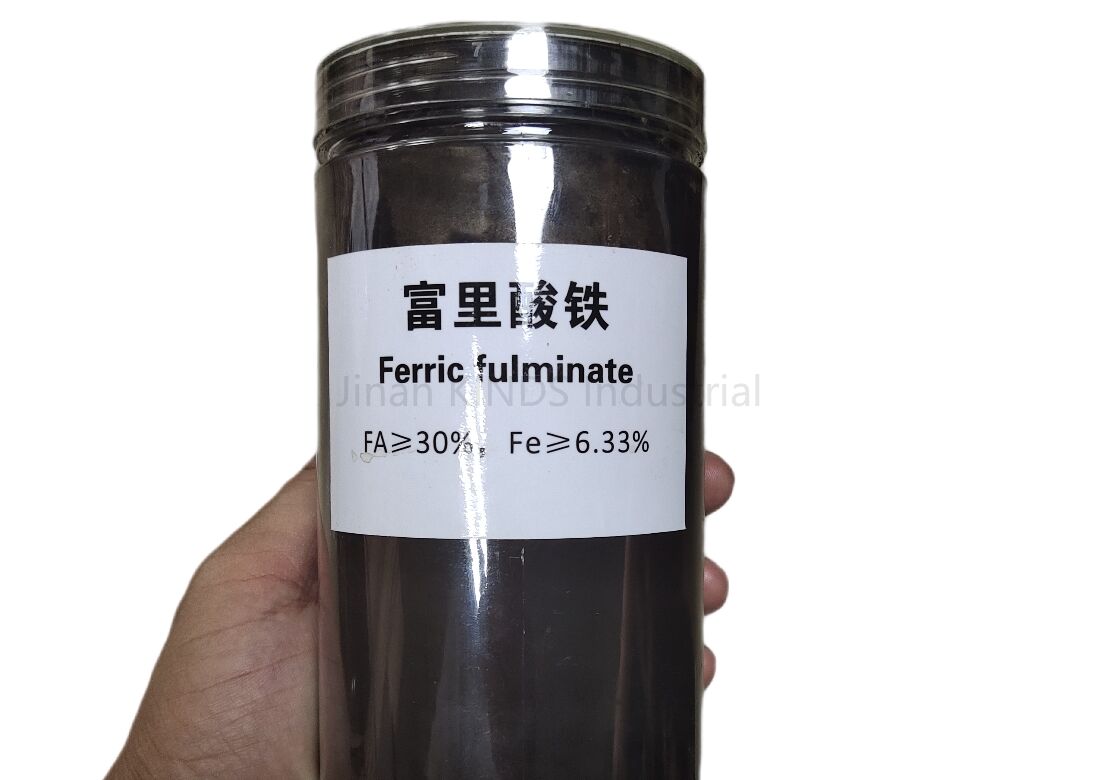
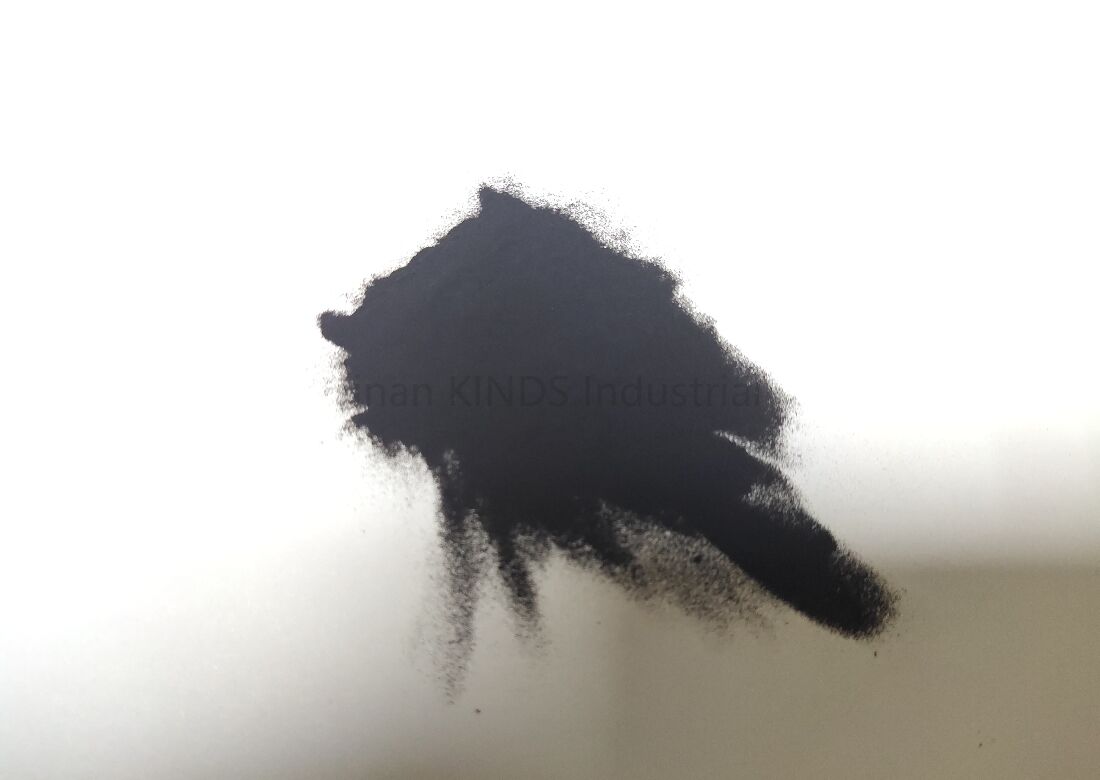
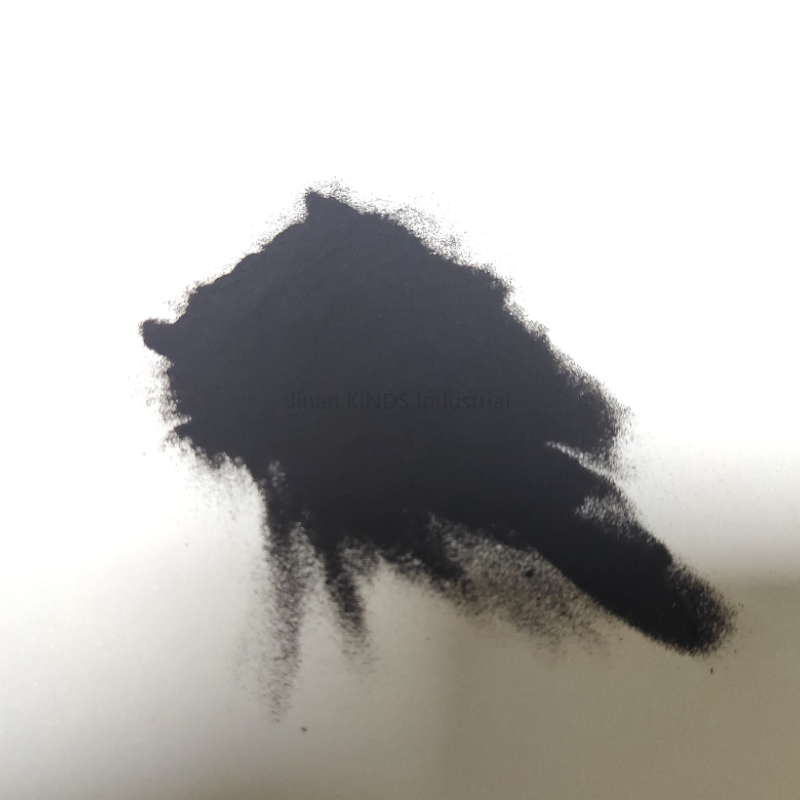
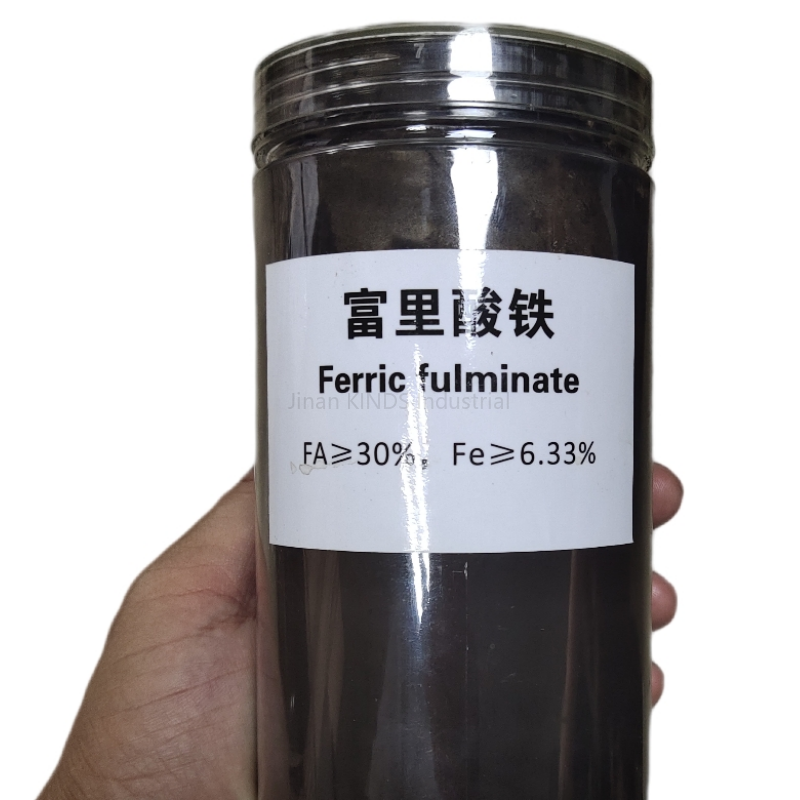
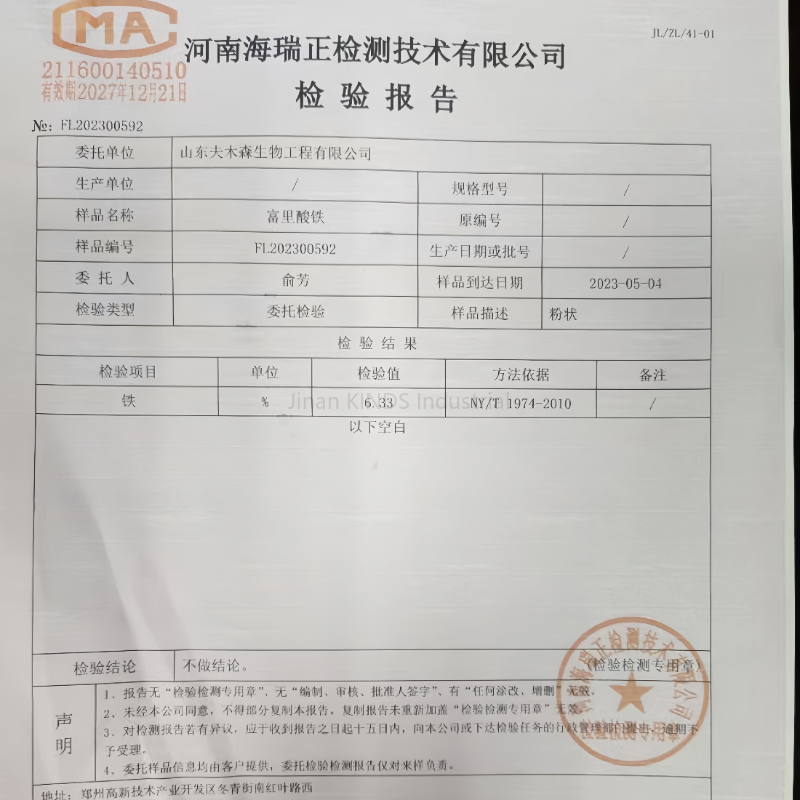
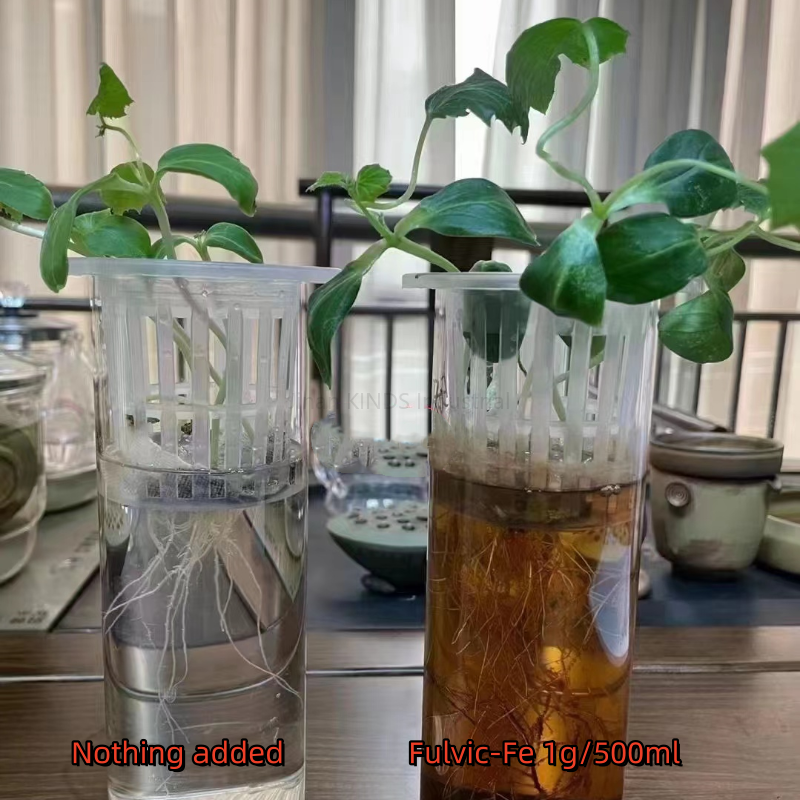
Fulvic -Fe is a newly developed new technology chelated iron. The fulvic acid extracted from lignite is used as an organic chelating agent to obtain fulvic-Fe. The iron content is 6.33%. Regardless of whether it is alkaline or acidic soil, iron appears as stable divalent iron and will not react with other elements in the soil to form insoluble iron compounds.
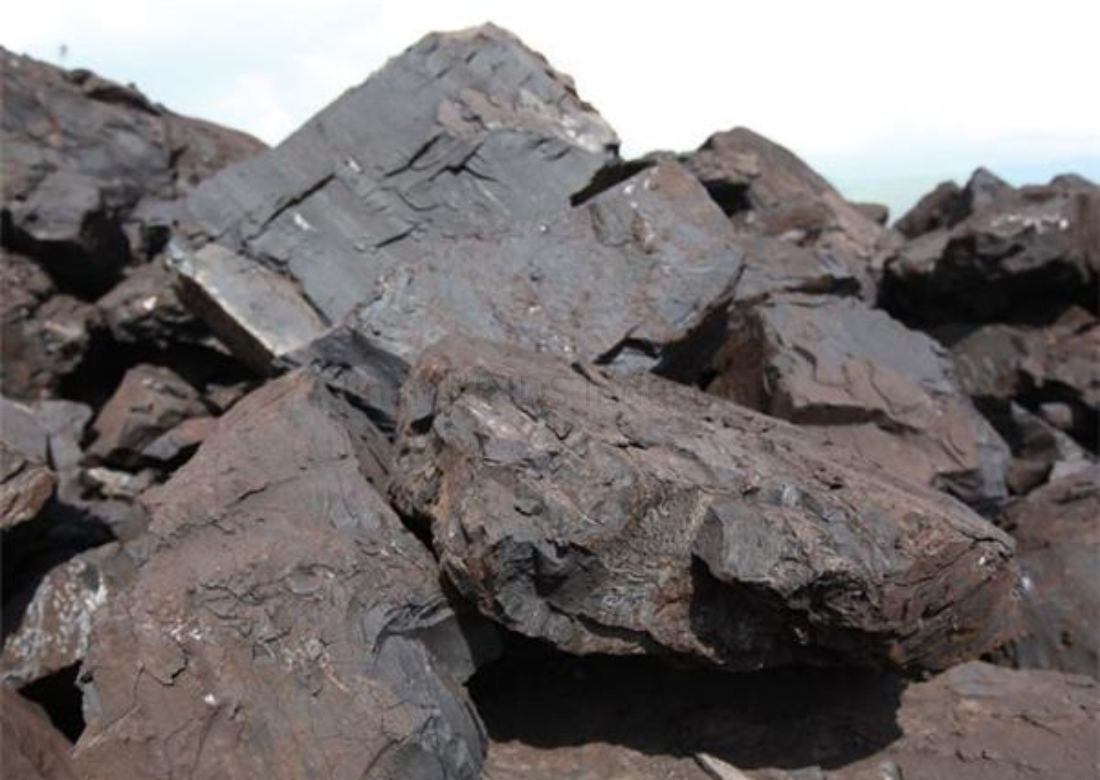
Fulvic acid is a natural extract, and fulvic-Fe is an organic iron fertilizer that contains organic matter and natural stimulants. It is easily absorbed by crop roots and promotes crop growth. It will not destroy microorganisms in the soil and can coexist with microorganisms.
Through the plant growth test results with EDDHA-Fe (iron 6), it can be concluded that the supplementary iron element of fulvic-Fe, rooting and plant height are all due to EDDHA-Fe.
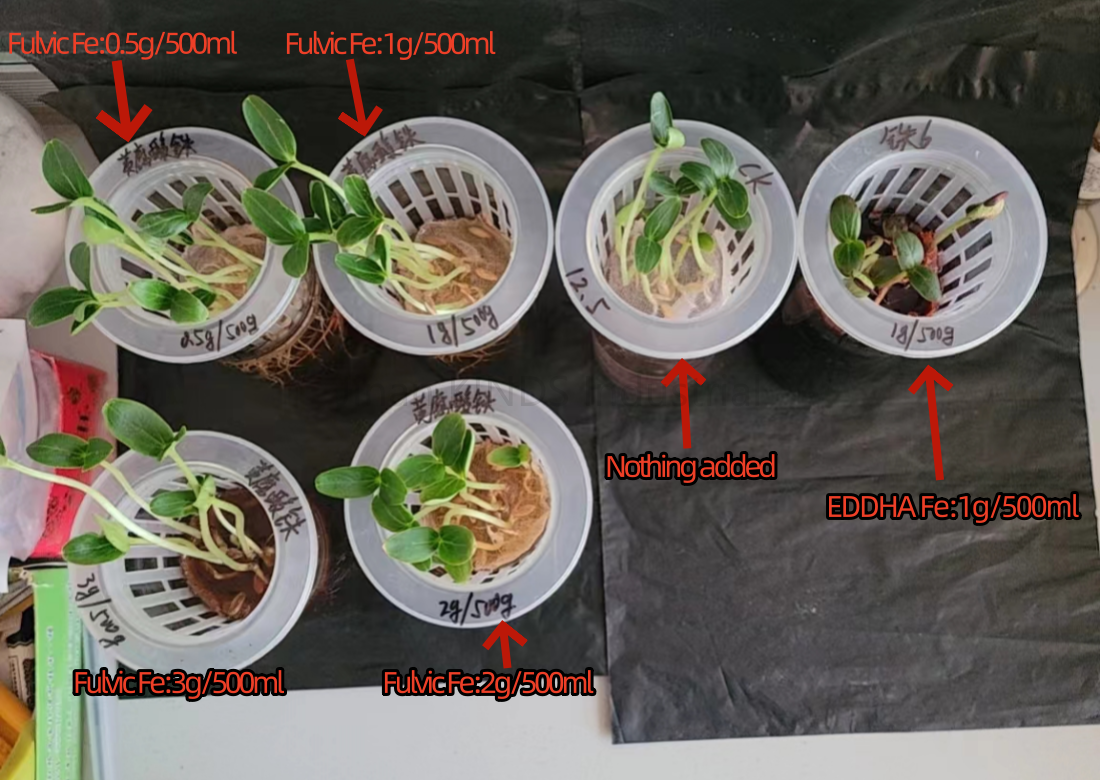
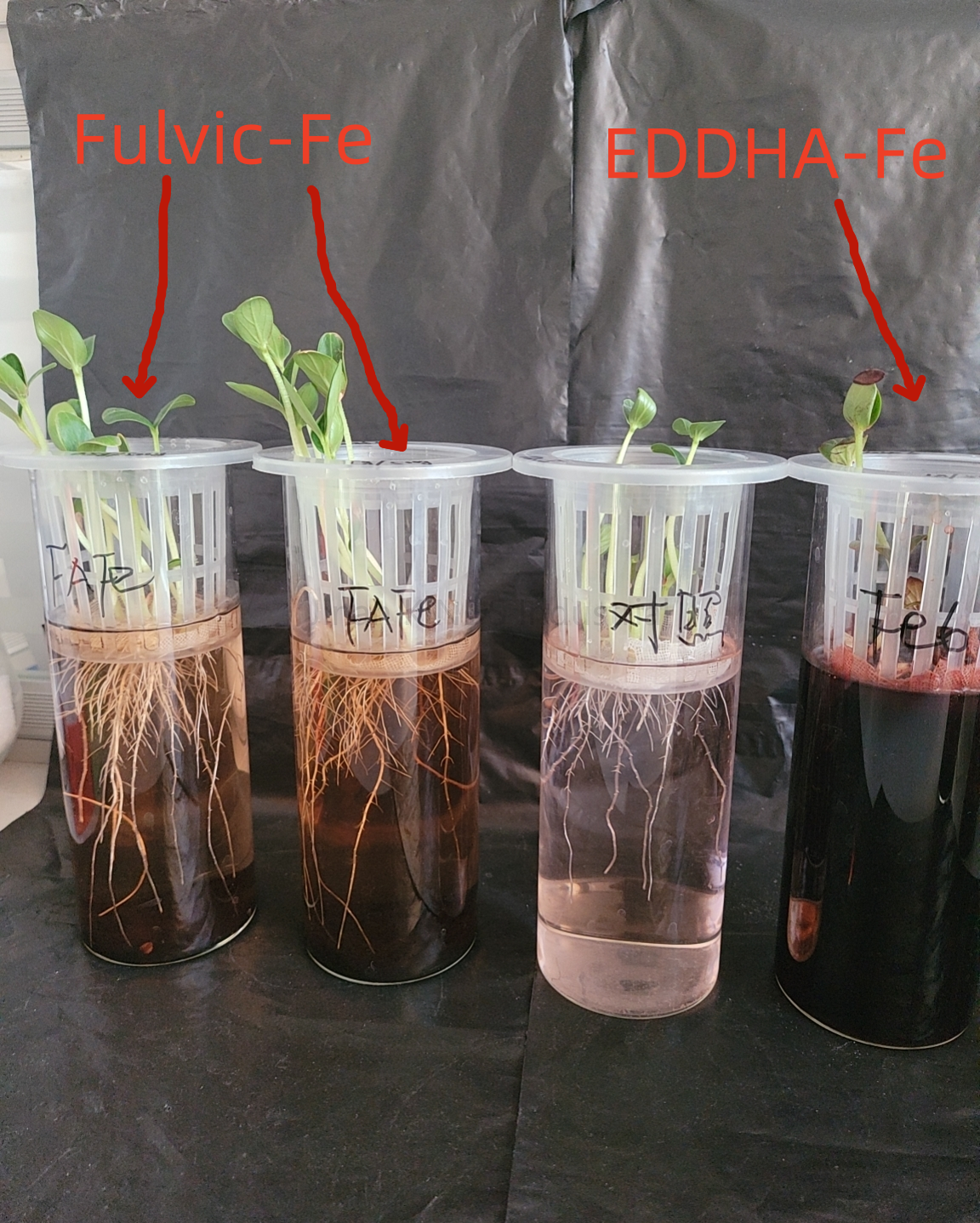
Dosage: 1,500g per hectare, diluted 300 to 500 times, foliar spray 1,000 to 2,000 times.
COMPANY PROFILE
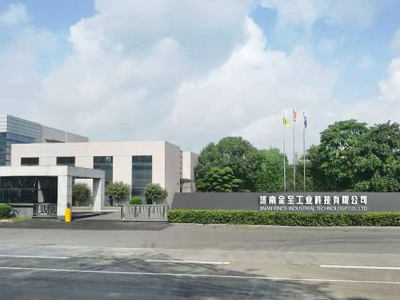
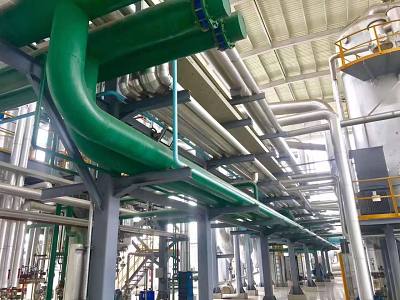
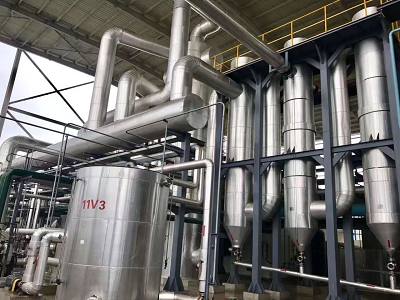
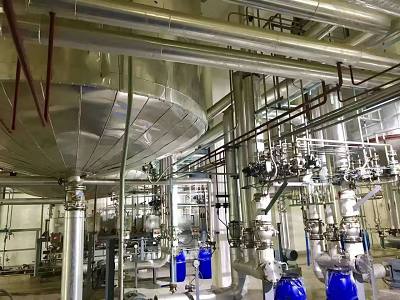
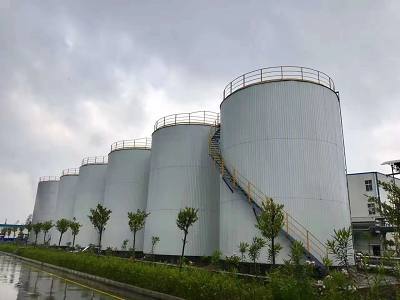
Jinan KINDS Industrial Technology Co., Ltd. is engaged in the field of organic biology and focuses
on the research and development, production and sales of organic biological products.
Its products are oriented to pharmaceutical excipients and agricultural organic science.
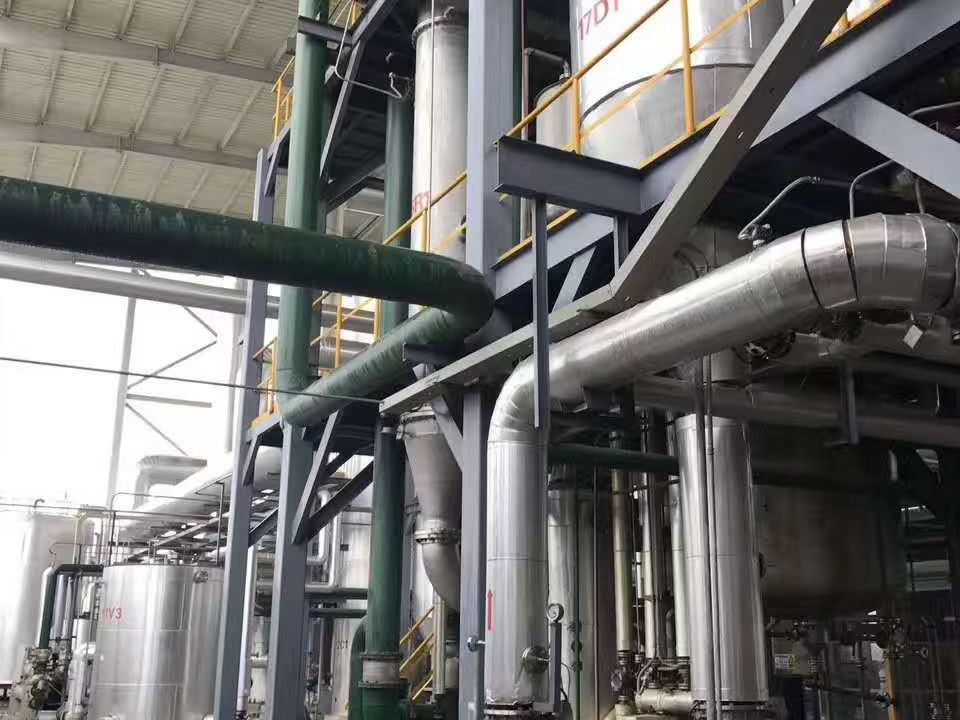
The company has a variety of production lines and other advanced production and testing equipment and
high-quality technical personnel, mature technology, quality control technology and design and R&D groups,
and ensures the excellence and stability of its products through the ISO9001 product quality system.
MESSAGE
PRODUCTS RECOMMENDED

Chat Online