
PRODUCTS
‹
›
‹
›
PRODUCT DESCRIPTION
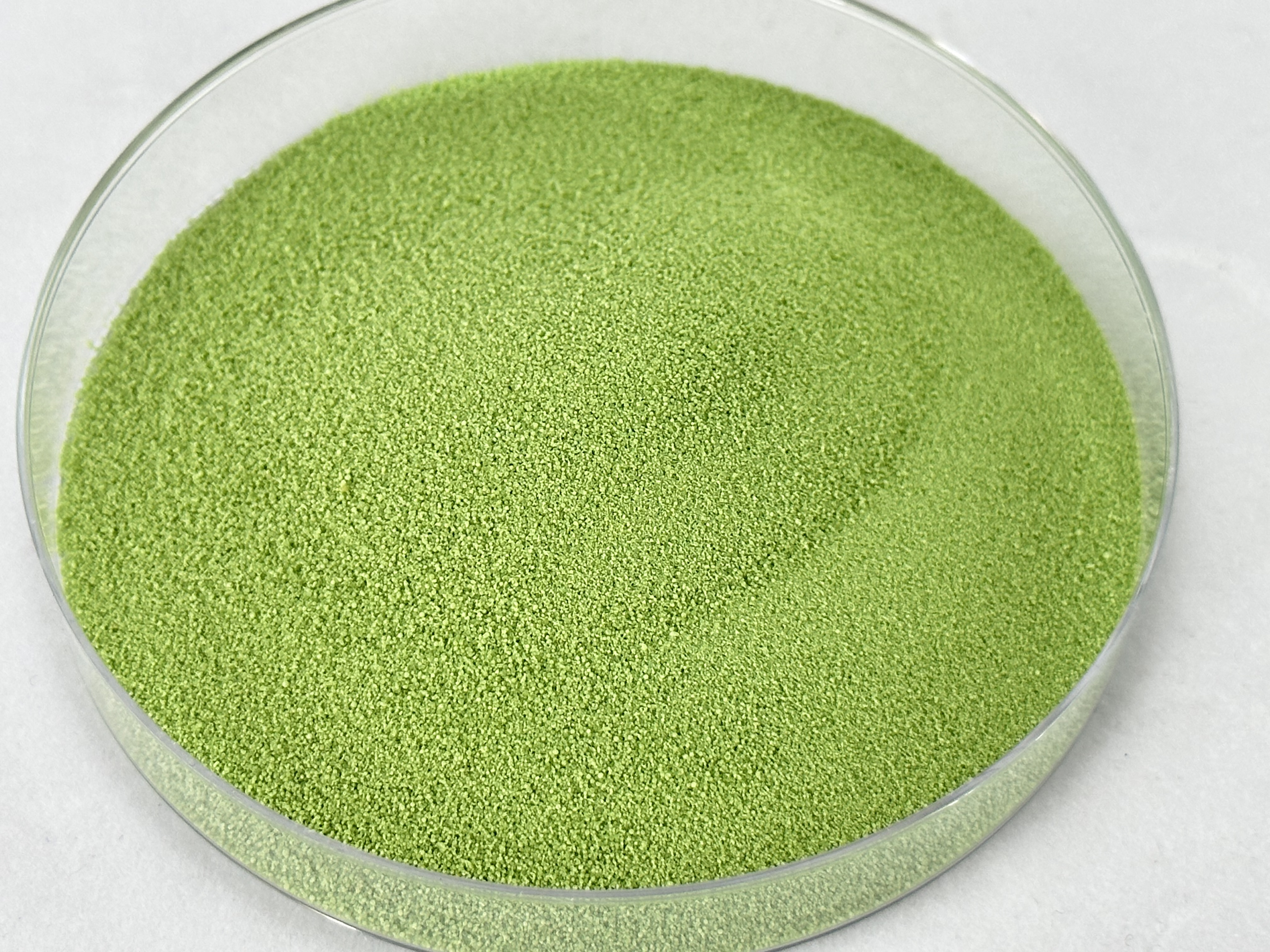
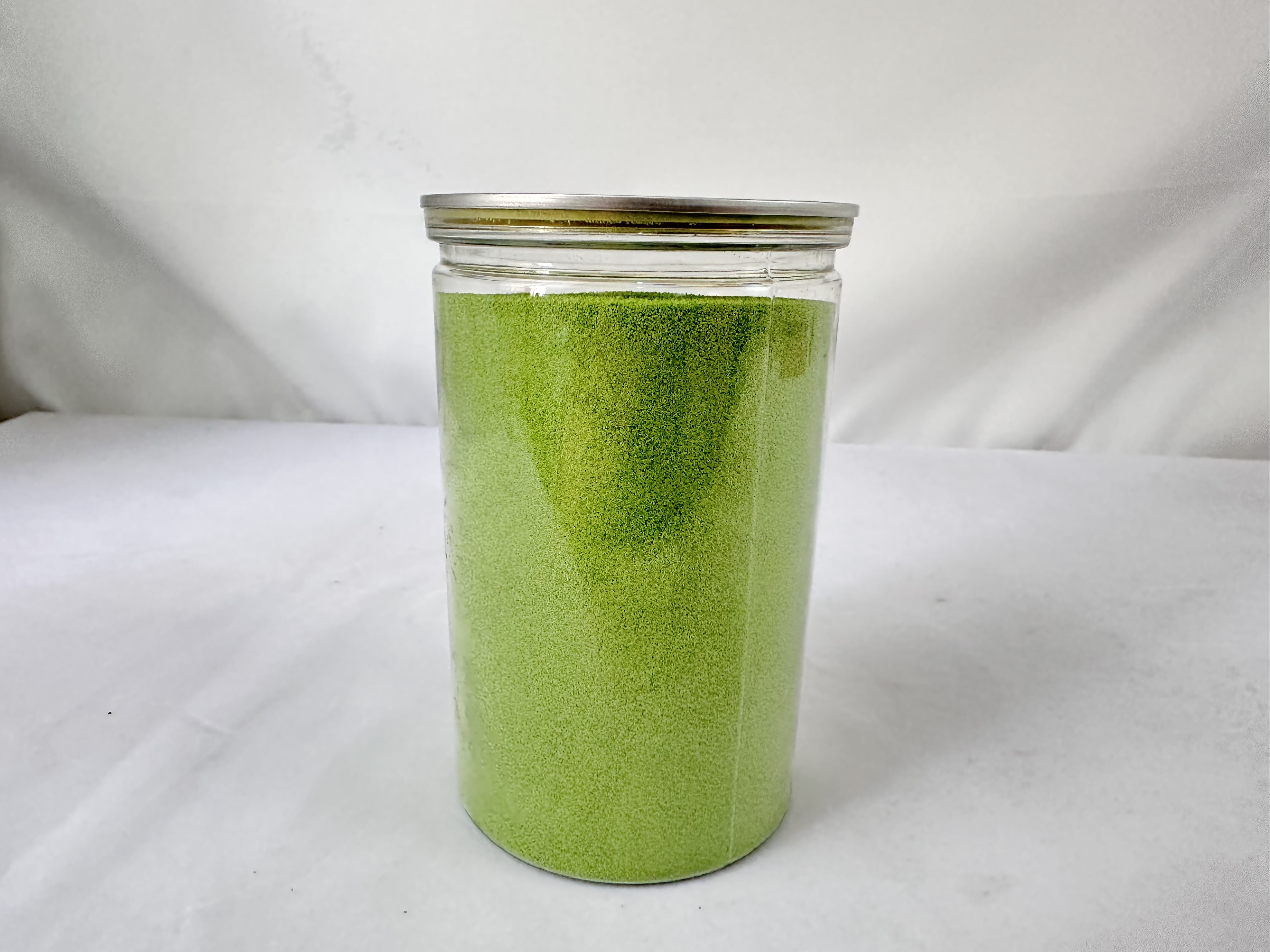
Seaweed oligosaccharides are a series of oligosaccharide fragments obtained through the degradation of seaweed polysaccharides. They have low molecular weight, good water solubility, and broad biological activity advantages, and have broad application prospects in agricultural production.
Seaweed oligosaccharides are represented by agarose oligosaccharides (AOS) and alginate derived oligosaccharides (ADO). Brown algae oligosaccharides are produced by β- D-mannuronic acid and α- L-glucuronic acid passes through β- Linear oligosaccharides formed by linking 1-4 glycosidic bonds are functional oligosaccharides that have been widely used in the pharmaceutical field.
Algal oligosaccharides play an important role in agricultural production as a new type of green and environment-friendly bio fertilizer with the functions of antioxidation, regulating plant growth, improving plant resistance, and reducing the incidence rate of plant diseases and pests.
Relieve the toxic effects of heavy metals on plants
Seaweed oligosaccharides contain a large number of carboxyl and hydroxyl groups, which are electronegative and can adsorb heavy metals through ion exchange and complexation. Therefore, they have shown certain potential in the treatment of soil heavy metal pollution. Seaweed oligosaccharides belong to soluble organic matter (DOC) and have both inhibitory and promoting effects on soil heavy metal adsorption. DOC competes with soil colloids by complexing heavy metals, thereby inhibiting the adsorption of heavy metal ions in the soil.
Seaweed oligosaccharides have the effect of promoting plant growth. In alkaline soil, higher concentrations of seaweed oligosaccharides have an activating effect on soil heavy metals, which can be used to strengthen plant remediation of soil heavy metal pollution. Previous studies have shown that high concentrations of soluble organic matter form soluble organic heavy metal complexes with heavy metal ions, inhibiting the adsorption of Cd by alkaline soil colloids, thereby increasing the content of soluble cadmium in soil. This provides a theoretical basis for seaweed oligosaccharides to enhance plant remediation of heavy metals in soil.
Regulating plant growth
Alginate oligosaccharides can serve as signaling molecules to participate in the regulation of plant growth and development. Treating corn seeds with 0.075% brown algae oligosaccharide solution, it was found that on the 7th day of seed germination, root length and seedling height were increased by 18% and 46%, respectively, compared to the control group. Research has shown that the presence of seaweed oligosaccharides activates hormone expression in plant seedlings, alters the activity of amylase, lipase, and protease, accelerates the process of endosperm starch hydrolysis, and promotes seed germination and root and shoot growth. 0.125% alginate oligosaccharides are beneficial for improving the germination rate of sorghum seeds and promoting seedling growth, while 0.0625% alginate oligosaccharide soaking treatment is more conducive to promoting chlorophyll synthesis in sorghum leaves and improving root vitality. The promoting effect of seaweed oligosaccharides on plant growth is not only reflected in the increase of growth indicators such as plant height, leaf area, and root length, but also in the significant increase of functional leaf chlorophyll content, photosynthetic rate, stomatal conductance, transpiration rate, and intercellular CO2 concentration. In recent years, many studies have shown that seaweed oligosaccharides can improve the germination rate of seeds such as peas, sorghum, corn, and wheat, and promote plant root growth.
Improving crop yield and enhancing plant stress resistance
Seaweed oligosaccharides can alleviate the damage caused to plants by stress (such as pesticides, drought, cold, heat, etc.) by inducing plant resistance substances, and play a role in regulating crop growth. Seaweed oligosaccharides can increase the content of soluble sugars and free proline in plant bodies, enhance the activity of plant antioxidant enzymes, induce the synthesis of phytoprotectants, reduce cell membrane permeability and malondialdehyde content, thereby improving plant stress resistance (Liu et al., 2009). Zhang Shoudong et al. (2015) investigated the alleviating effect of alginate oligosaccharides on the physiological characteristics of wheat under chlorpyrifos stress. The results showed that the concentration of alginate oligosaccharides treatment was significantly positively correlated with leaf cell membrane permeability, soluble sugars, and proline content. Among them, 0.4% alginate oligosaccharides had the most significant effect, which can increase plant resistance and slow down the damage caused by chlorpyrifos to plants.
Promote plant nutrient absorption
The structure of seaweed oligosaccharides contains carboxyl and hydroxyl groups, which can combine with ammonium ions (NH4+) in nitrogen fertilizers to form complexes, thereby inhibiting the conversion of ammonium nitrogen (NH4+) to nitrate nitrogen (NO3-), reducing nitrogen loss and providing long-term nutrients to plants. Meanwhile, low-dose seaweed oligosaccharides can also promote the absorption of elements such as N, P, Ca, Mg, Mn, B, and Zn by plant roots. The extraction solution of seaweed oligosaccharides was thoroughly mixed with urea, calcium superphosphate, and potassium chloride (seaweed oligosaccharide enhancing urea) and applied to the soil. When the amount of seaweed oligosaccharides added was 0.4%, the utilization efficiency of nitrogen fertilizer, potassium fertilizer, and phosphorus fertilizer in corn increased by 49.59%, 24.30%, and 52.85%, respectively. At the same time, it promoted the improvement of the quality and yield of corn grains by 16.45% and 13.75%, respectively; The application of seaweed oligosaccharide enhanced urea to crops such as rapeseed, chrysanthemum, cucumber, eggplant, potato, radish, etc. showed that the nitrogen utilization efficiency and yield of leafy and eggplant fruit vegetables were significantly improved compared to the control group, but the effect of root and stem vegetables was not significant. Research has found that seaweed oligosaccharides can bind to exogenous Ca2+, increase the activity of related metabolic enzymes such as nitrate reductase (NR), glutamine synthase (GS), and glutamate dehydrogenase (GDH) in plant leaf cells, promote more NH4+to enter nitrogen metabolism, promote protein synthesis and accumulation, and affect plant growth. Low concentration brown algae oligosaccharide mixed solution can promote the growth of rice and peanuts; Field experiments have shown that a solution of 20-100 mg/L brown algae oligosaccharides can increase the yield of tea, carrots, and cabbage by 15% to 40%.
COMPANY PROFILE
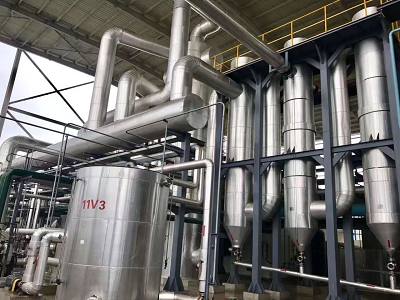
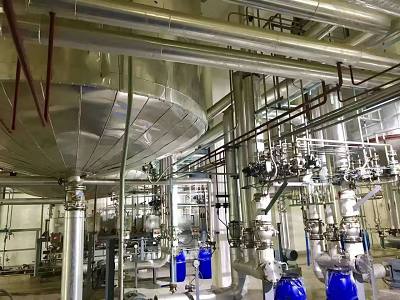
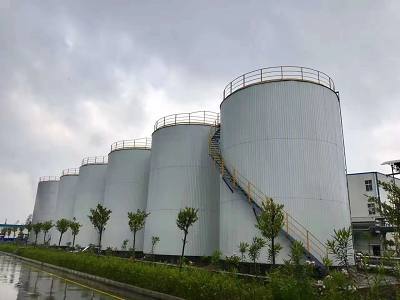
Jinan KINDS Industrial Technology Co., Ltd. is engaged in the field of organic biology and focuses
on the research and development, production and sales of organic biological products.
Its products are oriented to pharmaceutical excipients and agricultural organic science.
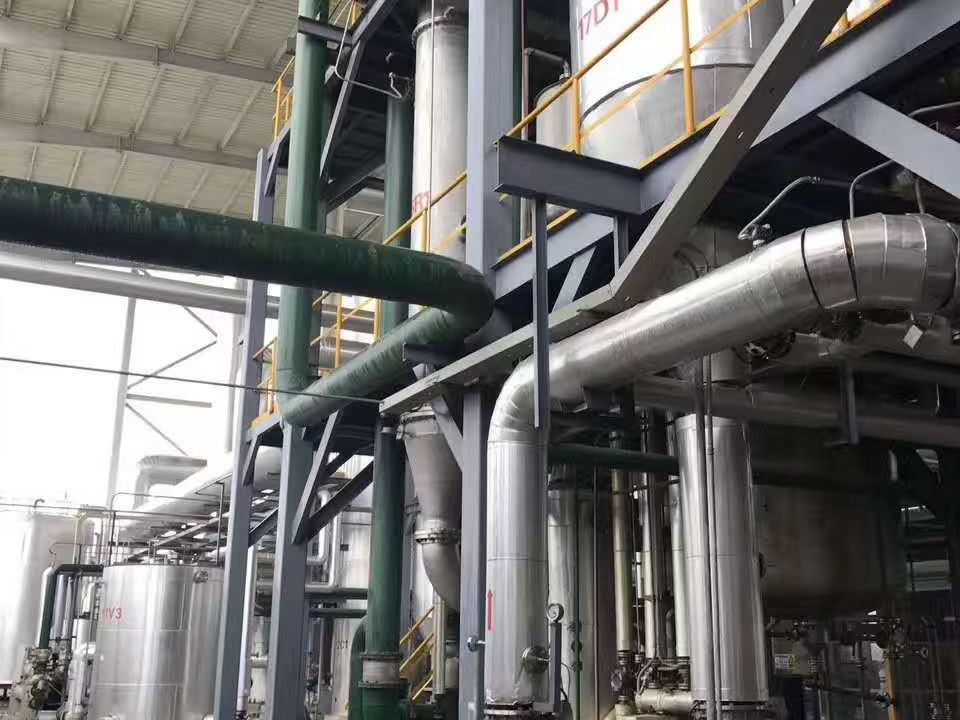
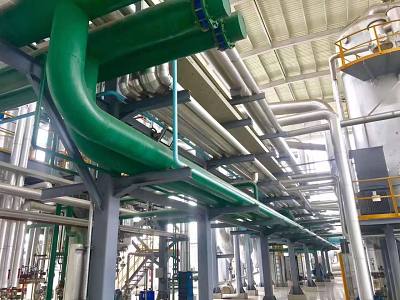
The company has a variety of production lines and other advanced production and testing equipment and
high-quality technical personnel, mature technology, quality control technology and design and R&D groups,
and ensures the excellence and stability of its products through the ISO9001 product quality system.

MESSAGE
PRODUCTS RECOMMENDED

Chat Online